
Blog

Is Installing a Toilet a DIY Project
Thinking About Upgrading Your Bathroom? Learn About Whether or Not Installing a Toilet is a DIY Project
It’s Not Rocket Science…..It’s JUST Replacing a Toilet
Replacing a toilet may seem like a great DIY project, I mean how hard can it be? It’s just replacing a toilet, right? Some toilet installations are easier than others. Here are some things to consider before you decide to tackle this project on your day off. It may seem like “it’s just replacing a toilet”, but there are some important things to take into consideration before you start this DIY project.
Types of toilets
All toilets are not equal. The first thing to consider is what type of toilet you’re going to purchase.
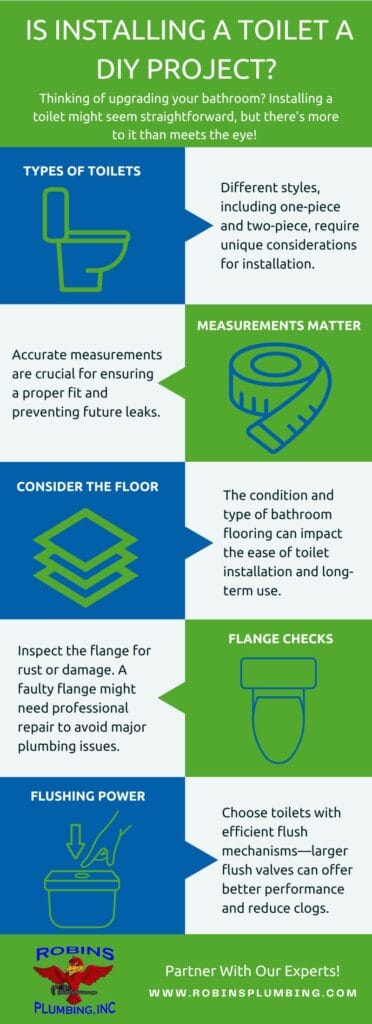
Measurements
Measurements are important when it comes to purchasing a toilet. For example how far is the flange from the wall? What height do you want the bowl? Is the toilet under a countertop? Outside of measurements here are some things to think about before purchasing a toilet that we discuss with our clients.
Cosmetic concerns
Toilets come in a lot of different styles and colors. If you’re going to live in your home for a while, it’s important to consider the cosmetic choice of your toilet. This toilet is going to be with you for the next 15-20 years. With proper care and good water quality and pressure your toilet will be with you for a long time.
One-piece or Two-piece
Toilets come in one-piece or two-piece. The benefit of purchasing a one-piece toilet is there is no need for a tank to bowl connection. This can save on repairs in the future as well as potential leaks. We often recommend one-piece toilets for our clients that have members of the home that may have a tendency to lean back while using the toilet. The downside of a one-piece toilet is they are challenging to replace parts for as a DIY project.
Skirted
Skirted is a technical term that refers to the base of the toilet. It refers to whether it’s cast to be smooth or cast to wrap around the trap way and have the curve that reveals the shape of the trap way. A skirted toilet is usually more cosmetic in appearance. It usually has the added benefit of being easier to keep the outside base of the toilet clean since there are no nooks and crannies holding on to dirt and debris.
Type of flushing handle
Toilets can have a lever handle or a push-button operating style handle. Push buttons are becoming more popular and can offer two different options for flushing to save water. The issue we run into for clients is that many guests don’t know how to use the push-button style and inadvertently create stoppages by not flushing enough water for the project. Push-button toilets are also challenging to repair for the average weekend warrior.
Gallons per flush
Choosing a toilet that has the right gallons of use per flush is important. Don’t choose the cheapest toilet out there. If you’re going to choose one that has extreme water savings make sure you check the reviews. Check to see that the toilet has enough umph to complete the job the first time. You’re not going to save any water if you have to flush 2 and 3 times to clear the bowl.
Size of the flush valve
The flush valve size will help determine the power of the flush. A larger flush valve often means a more powerful flush with the same amount of water vs a toilet that has a standard flush valve.
Size of the trap way. Is it glazed or not?
The trap way of your toilet is where the waste leaves the bowl and goes toward the drain system. The size of the trap way determines the amount of debris that discharges from the bowl. But even more than that, the investment of a toilet that has a glazed trap way means fewer stoppages and plunging over time. A trap way that’s glazed acts a lot like a non-stick pan. By acting like a non-stick pan this will help to prevent the trap way from building up with debris.
Types of floors
Replacing a toilet is considering more than just the toilet purchase and what looks pretty. You need to also consider the type of floor that is in the bathroom. Will that flooring hold up to the removal and installation of a toilet? Does that flooring go all the way to the flange? If the condition of the flooring is poor, replacing the toilet is unsafe. Flooring repairs will need to be made. If the flooring wasn’t installed all the way to the flange and was only installed up to the foot of the toilet bowl you have a couple of choices. You can either replace the flooring and do it correctly by installing it up to the flange.
You can do this by buying a toilet with a large enough foot print to cover the gap in the flooring or just kidding! There’s no other option leaving a gap in the flooring between the bowl and the flooring. This will lead to major problems in the future and on top of that looking unsightly. If you have concrete floors and you choose a skirted toilet, prepare to start drilling. Skirted toilets do not just connect to the flange, they bolt and mount to the floor. They require additional tools, time and skills to install correctly.
Flange conditions
The flange is the technical plumbing term. It refers to the part of your drain system that connects your toilet to your drain work. Most often we find that when pulling a toilet the existing flange is not safe to connect to and needs a replacement. A flange repair or flange replacement is a job for a licensed professional. If a flange repair isn’t correctly done it can mean catastrophic damages to your home, with sewer water being the culprit. If you pull your toilet and see that the flange is rusted, moving, covered with roots or looks suspect at all it’s time to call in a licensed professional to take care of the flange.
Some flange repairs are done with specialty tools of the plumbing trade. But some flange replacements can mean jackhammering the concrete and cutting out enough section to find a good section of drain to connect to. This can be especially challenging if your home has a cast iron drain system.
Services in Phoenix & Beyond
You suspect that you have a slab leak or when you’ve found yourself in need of plumbing services in the Phoenix, Glendale, Scottsdale, or Chandler area, you can trust Robins Plumbing to provide you with prompt and expert care, contact our team today! In addition to our slab leak repairs, we also offer a variety of residential and commercial plumbing services, including: drain cleaning, water heater repair and replacement, sewer camera inspection and locating, backflow prevention, commercial and residential jetting, water treatments, and more. Visit our reviews online to see what others have to say about our local plumbing company!
Categories
We Specialize in All Your Plumbing Needs
Below are just a few of the services we offer.

We are licensed, bonded and insured experts here to help you with all of your residential plumbing needs.

We are licensed, bonded and insured experts here to help you with all of your commercial plumbing needs and we will get your business back up and running.

From whole home filtration systems to just having clean purified water at your kitchen sink, we're here.

You can count on us to handle your drain cleaning with quick, affordable and reliable service.